Mark Meacher
Home
CASE STUDY
Photo Step Redesign
Redesigning the photo step to reduce cognitive overload
Year: 2026
Category: Seller experience
AI Assisted
Overview
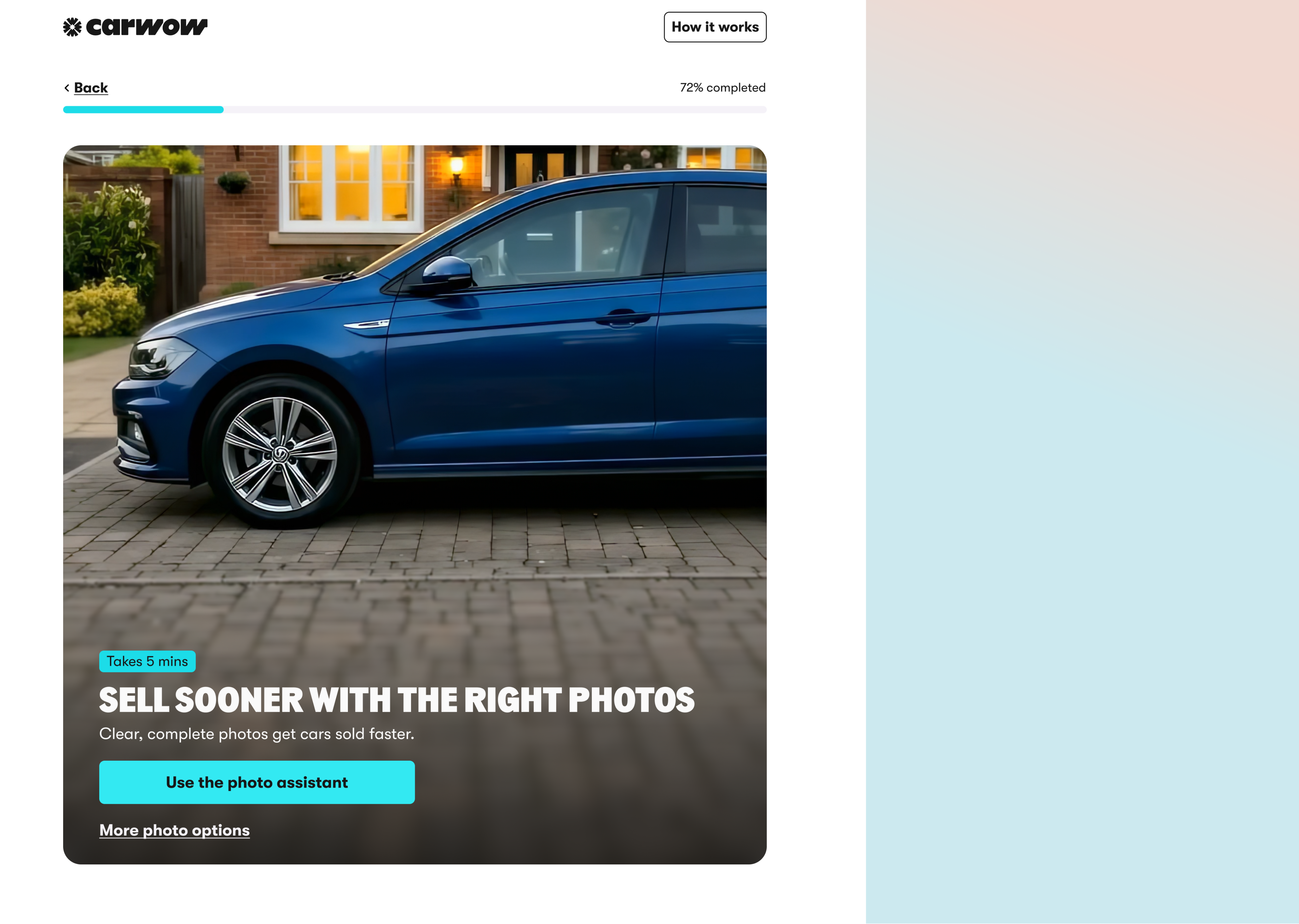
Sellers who dropped off at the photo step were defaulting to the lowest-effort option: 41.6% clicked "can't add photos right now?" and set a reminder, but only 14.9% of those ever came back to finish their listing. Analytical data showed sellers made that call in a median of 11 seconds, once they'd engaged with the page. I worked on the redesign of the photo intro page to cut that cognitive overload and encourage sellers to act immediately, without weakening the reminder path for sellers who genuinely need it.

Approach
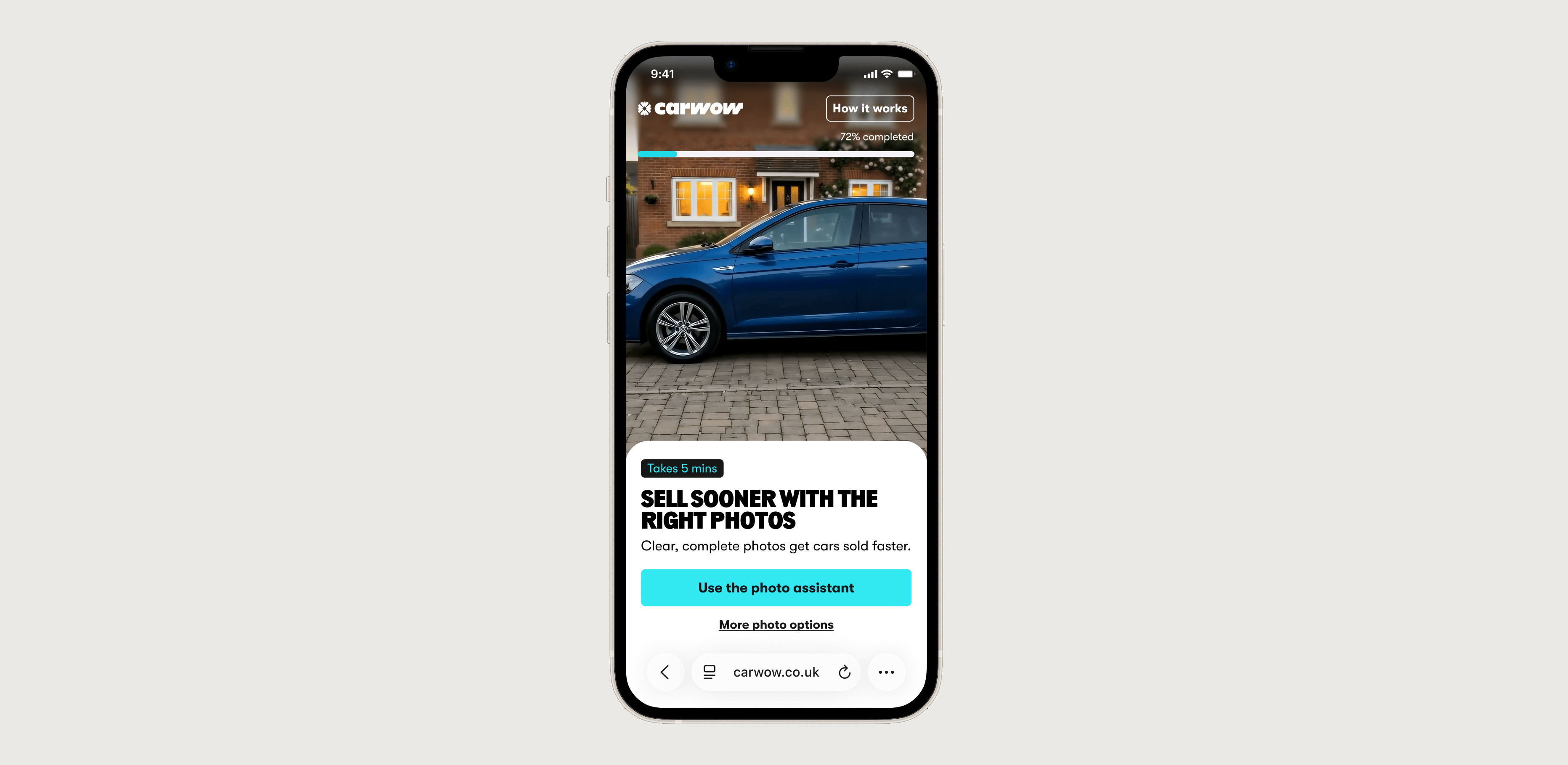
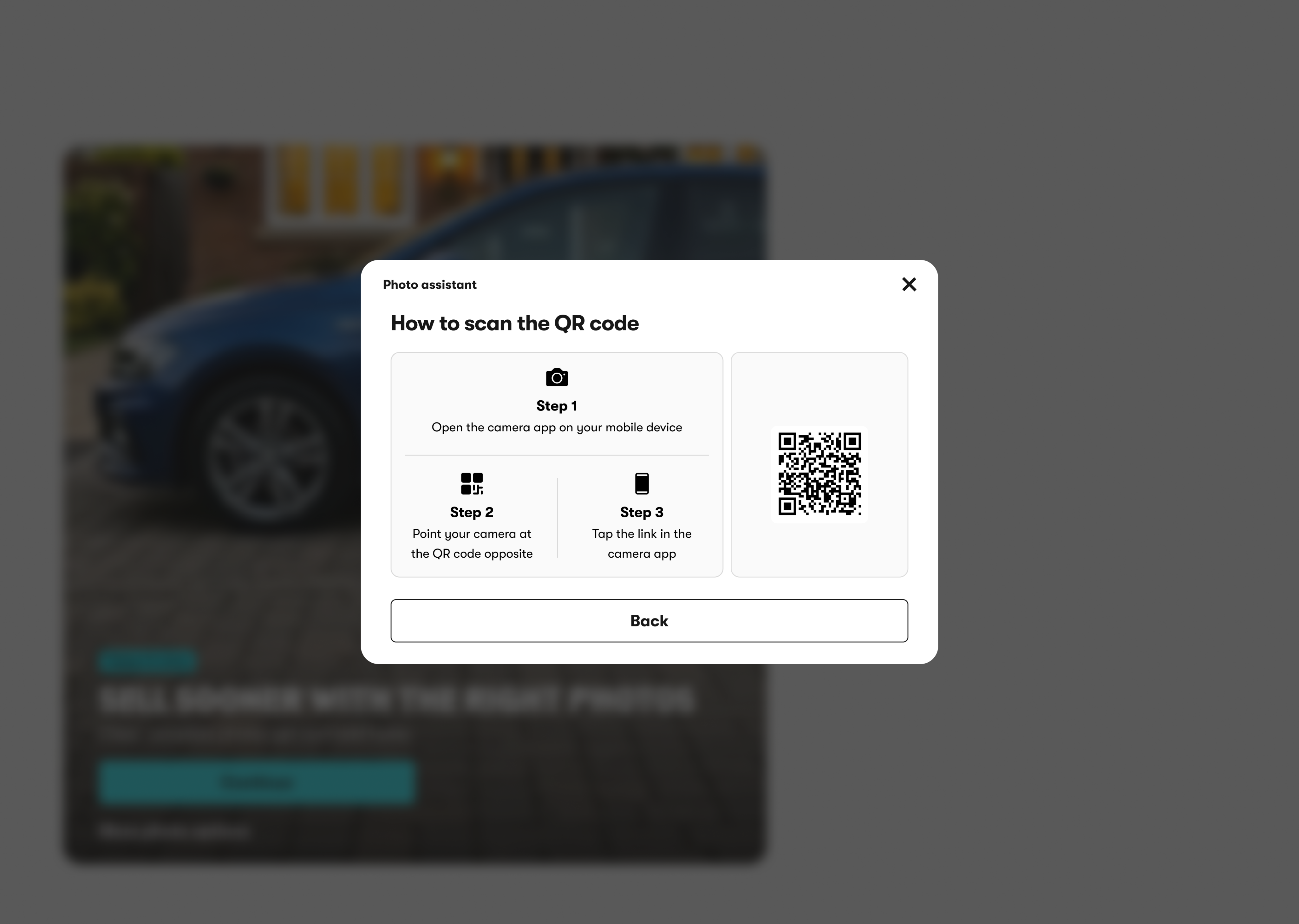
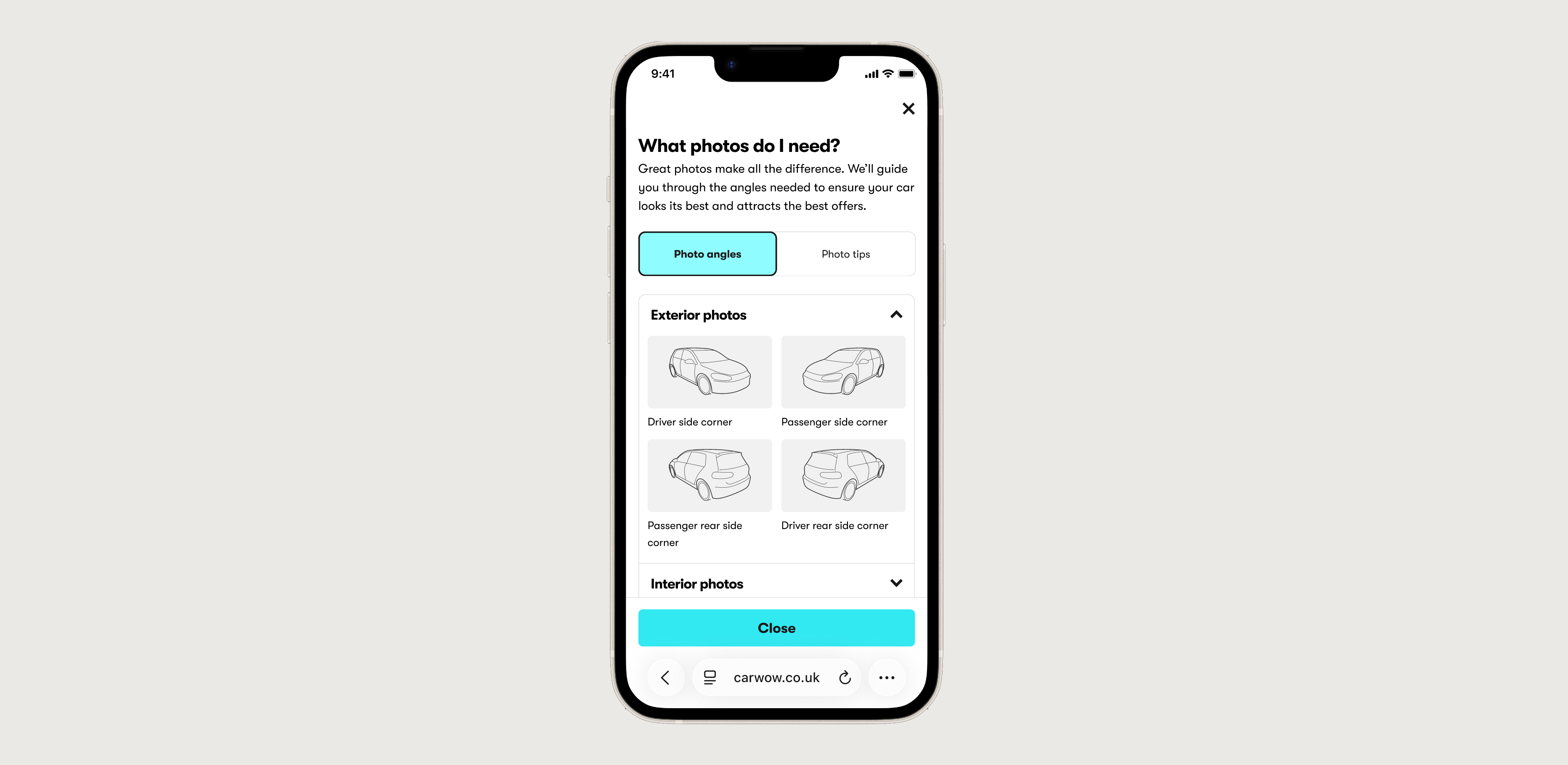
I started from the funnel data, Hotjar recordings and an earlier AB test on a photo education link, which cut reminder-setting by 17% and lifted completed listings by 7.5% among engaged sellers. I worked on the following hypothesis: sellers defaulted to the lowest-effort option (set a reminder) due to cognitive overload from too many competing choices, turning a temporary "car's not with me" moment into a reason to defer the whole listing. From there I shaped the design goal: to reduce the intro page to one clear CTA with secondary options behind progressive disclosure. This change drastically improves the overall appearance of the photo page but the team and I were cognisent that
The expected outcome: a slower, more considered time-to-decision, a lower reminder click-through rate, and a higher completion rate from photo intro through to damages.
WORKING WITH AI
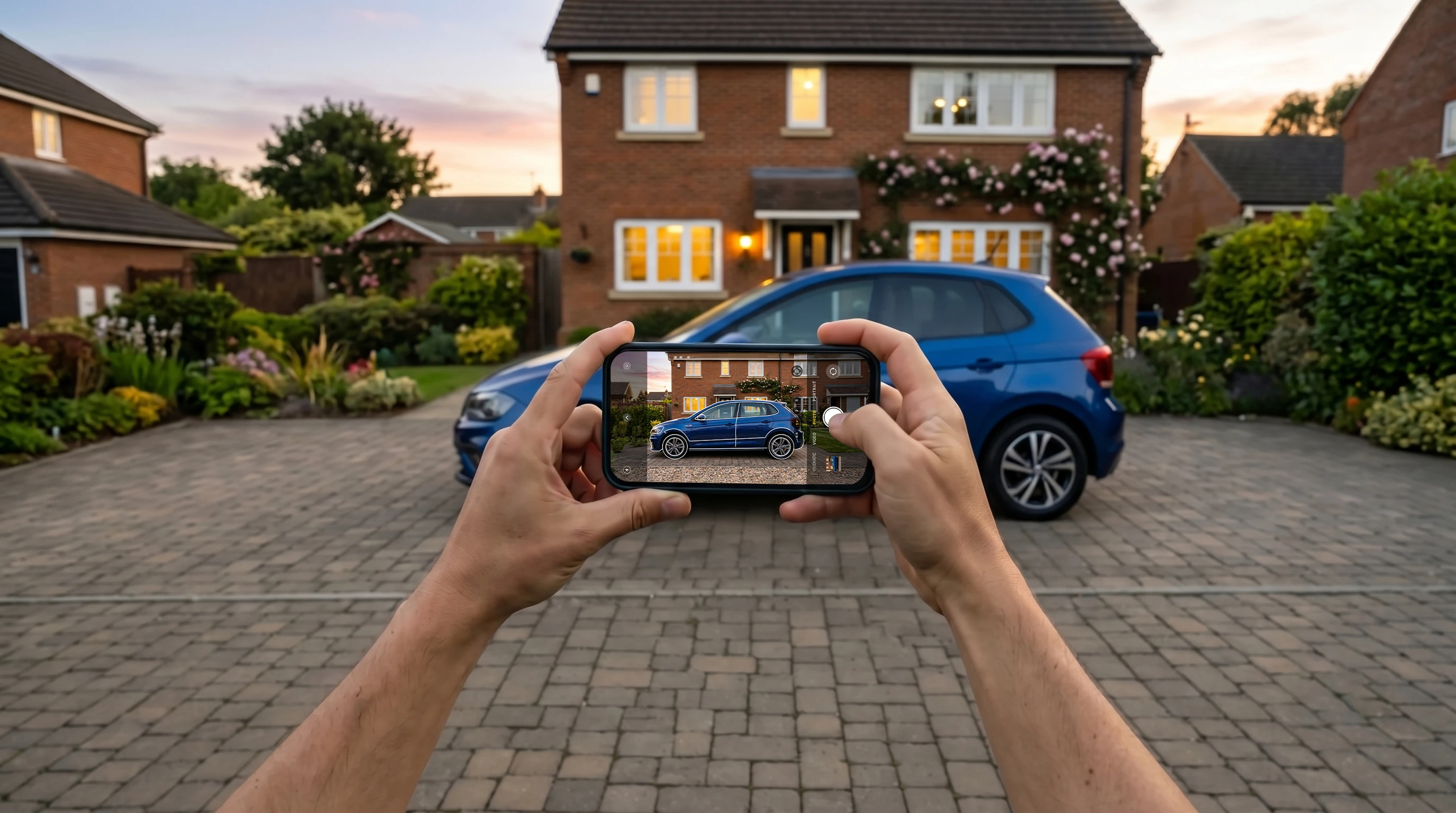
I started this project in Claude Design, quickly producing some progressive discloisure prototypes for me to iterate and improve on in Figma later. I also used Google Gemini and ElevenLabs to generate hero and product imagery and a short video walking through the proposed photo upload experience, giving stakeholders a clearer sense of the redesigned flow ahead of any build work.
Next Project

Mark Meacher
mark.meacher@gmail.com
Mark Meacher
Home
CASE STUDY
Photo Step Redesign
Redesigning the photo step to reduce cognitive overload
AI Assisted
Year: 2026
Category: Seller experience
Overview
Sellers who dropped off at the photo step were defaulting to the lowest-effort option: 41.6% clicked "can't add photos right now?" and set a reminder, but only 14.9% of those ever came back to finish their listing. Analytical data showed sellers made that call in a median of 11 seconds, once they'd engaged with the page. I worked on the redesign of the photo intro page to cut that cognitive overload and encourage sellers to act immediately, without weakening the reminder path for sellers who genuinely need it.
Approach
I started from the funnel data, Hotjar recordings and an earlier AB test on a photo education link, which cut reminder-setting by 17% and lifted completed listings by 7.5% among engaged sellers. I worked on the following hypothesis: sellers defaulted to the lowest-effort option (set a reminder) due to cognitive overload from too many competing choices, turning a temporary "car's not with me" moment into a reason to defer the whole listing. From there I shaped the design goal: to reduce the intro page to one clear CTA with secondary options behind progressive disclosure.
This change drastically improves the overall appearance of the photo page but the team and I were cognisant that this test alone wouldn’t encourage sellers who didn’t want to take pictures to continue. Instead our aim was to guide sellers more gently into supplying images rather than serving an up front panic moment that leads to abandonment.
WORKING WITH AI
I started this project in Claude Design, quickly producing some progressive disclosure prototypes for me to iterate and improve on in Figma later. I also used Google Gemini and ElevenLabs to generate hero and product imagery and a short video walking through the proposed photo upload experience, giving stakeholders a clearer sense of the redesigned flow ahead of any build work.
Next Project
Mark Meacher
mark.meacher@gmail.com